

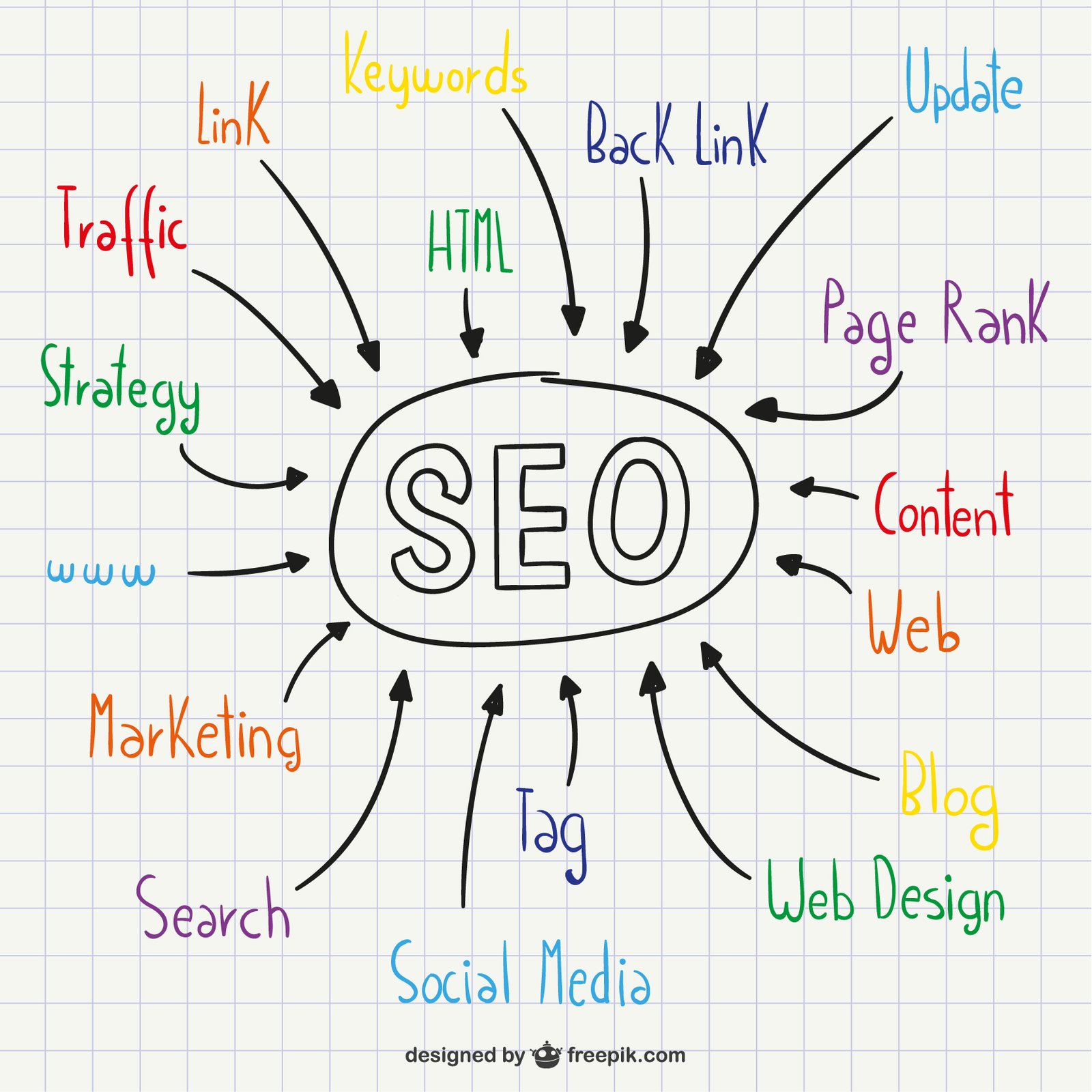
earch Engine Optimization (SEO) in 2025 means improving your website so it appears more prominently when people search for your products, services, or information on platforms like Google, Bing, and even emerging AI search assistants. Instead of paying for every click like ads, SEO helps your business earn placement in search results organically by proving your content is the most relevant, authoritative, and helpful answer to a search query.
As search evolves with AI Overviews, voice search, and personalized results, SEO is no longer just about keywords. Today, Google uses entities, intent analysis, and semantic search to understand context meaning it focuses on who you are, what you offer, and why your content deserves to rank. When your website aligns with these signals, you gain visibility, trust, and qualified traffic without rising ad costs.
For businesses, SEO offers some major advantages:
- Sustainable traffic growth without paying per click
- Brand authority in the moments customers are researching and buying
- Lower long-term cost compared to paid ads and social campaigns
- Evergreen ROI results compound over time
- Local reach for “near me” and service-based searches
- Full-funnel performance (awareness → conversions)
Paid ads disappear the moment a budget dries up.
SEO continues working 24/7, capturing high-intent demand exactly when customers are looking.
In 2025, SEO is the foundation of discoverability, digital credibility, and future-proof growth especially as search becomes more AI-driven and competitive.
What does SEO mean and why is it important?
SEO, Search Engine Optimization is the strategic process of helping search engines understand, trust, and recommend your website to users searching for information, products, or services related to your business. It combines technical performance, content relevance, and authority signals to improve how high and how often your pages appear across Google Search, Maps, and AI-generated responses.
Why this matters:
- 93% of online experiences start with search
- Users trust organic results more than ads
- Higher visibility = more qualified leads, sales, and brand awareness
- SEO builds a reputation in your market through Visibility + Credibility + Consistency
In a world where users expect fast answers, AI assistants expect structured information, and competitors invest heavily in digital, SEO becomes a business survival strategy not an optional marketing channel.
How does SEO drive visibility and organic traffic?
SEO increases your search visibility by aligning your content with the language and intent of your ideal customers. When search engines understand:
What your page is about (entities & keywords)
How helpful and accurate it is (EEAT experience, expertise, authoritativeness, trust)
Why it deserves to rank above competitors (backlinks, engagement, UX)
…your pages move higher in the SERP (Search Engine Results Page), driving more organic traffic.
Visibility → Clicks → Engagement → Revenue
Instead of interrupting someone with an ad, SEO places your business directly in front of customers when they are actively searching the highest-intent moment online.
Key visibility boosters in 2025:
- AI Overview inclusion (high-quality answers)
- Featured snippets / PAA questions
- Local Map Pack for “near me” searches
- Entity-driven brand recognition
- Schema markup for enhanced SERP features
SEO doesn’t just attract any visitors it attracts the right ones who are already looking for what you offer.
Visibility vs ranking what’s the difference?
Many people think ranking and visibility mean the same thing but in modern SEO, they are two separate success metrics:
| Metric | What It Means | What It Impacts |
|---|---|---|
| Ranking | Your numerical position for a keyword (e.g., #1, #3) | Click-through rate (CTR) |
| Visibility | How often & where your brand appears across search surfaces | Brand presence + discovery |
In 2025, “ranking #1” doesn’t always mean the most traffic.
Search results now include:
- AI Overviews / SGE
- Featured snippets
- Local Map listings
- People Also Ask boxes
- Product carousels
- Video and image panels
So instead of chasing a single ranking, SEO focuses on multi-surface visibility appearing multiple times in different result types.
Visibility = more user touchpoints → higher trust → more conversions
This is why topical authority, entity recognition, and helpful content signals are core to modern SEO strategy.
Why SEO is a long-term investment vs temporary ads
Paid ads stop the moment you stop paying.
SEO keeps growing even when budgets fluctuate.
| Paid Ads | SEO |
|---|---|
| Instant clicks but disappears when paused | Gradual results but compounding ROI |
| Expensive CPC & competitive bidding | Lower long-term customer acquisition cost |
| Interruption-based | Demand-based (people already searching) |
| Trust is lower | Organic listings earn higher credibility |
| Zero historical benefit | Builds authority over time |
SEO creates digital assets:
- Indexed content that ranks for years
- Authority and backlinks that strengthen domain trust
- Consistent brand exposure in search engines
Every blog, FAQ, link, and optimization stacks value.
What you build today attracts traffic tomorrow and the next day.
SEO = delayed gratification → exponential returns over time
How SEO builds brand trust and authority
Consumers rely on Google as a reputation filter.
If you rank well, users assume you’re the best answer because Google “chose” you.
SEO builds trust through:
✔ EEAT Real expertise, authorship, transparency
✔ Positive reputation signals reviews, mentions, citations
✔ Consistent visibility “I keep seeing this brand, must be credible”
✔ High-performing user experience fast, mobile-friendly, secure
✔ Authoritative content answers that clearly solve problems
Authority comes from what others say about you:
- Backlinks from respected sites
- Journalist mentions
- Industry partnerships
- Brand searches increasing over time
When your brand becomes an entity Google recognizes, not just a website, you’re chosen more often for high-value placements including AI Overviews.
How do search engines like Google actually work?
Search engines like Google are complex AI-driven systems designed to help users find the most relevant information in milliseconds. At a high level, Google’s process involves three core steps: Crawling, Indexing, and Ranking. Each step relies on advanced algorithms, NLP understanding, entity recognition, and AI-powered intent analysis to serve results that satisfy both human searchers and AI assistants.
Understanding how search engines operate is crucial for SEO in 2025 because it allows businesses to align their content, structure, and technical setup with how Google interprets relevance, authority, and trust. Optimized content doesn’t just rank it becomes discoverable, trusted, and authoritative across multiple search surfaces, including AI-generated overviews, People Also Ask boxes, and local map packs.
By mastering crawling, indexing, and ranking, SEO specialists can ensure maximum visibility, accurate topic associations, and long-term traffic growth.
Crawling – how Googlebot discovers content
Crawling is the first step in Google’s process, where Googlebot (Google’s web crawler) navigates the web to discover new or updated content. Think of crawling as Google sending out tiny digital explorers to map the internet, page by page, link by link.
Key aspects of crawling in 2025:
- URL Discovery
- Googlebot finds pages via sitemaps, internal links, backlinks, and even social signals.
- Entity-rich URLs (like
/seo-fundamentals-2025) help Google understand topic relevance immediately.
- Resource Fetching
- Bots download HTML, CSS, JS, images, and structured data to understand page content and structure.
- Sites optimized for mobile-first indexing and fast load speeds ensure every resource is accessible to crawlers.
- Crawl Budget Optimization
- Every site has a crawl budget, the number of pages Googlebot can efficiently scan.
- Optimizing internal links, robots.txt, canonical tags, and noindex rules ensures the most important pages are crawled first.
- Entity Recognition During Crawl
- Crawlers don’t just see keywords; they detect entities (people, organizations, products, locations).
- Entity recognition allows Google to associate your content with trusted topics, helping it appear in AI-driven search summaries and knowledge panels.
- Dynamic & AI-Driven Crawling
- Modern crawlers evaluate user engagement signals, structured data, and AI-identified topic clusters to prioritize high-value content.
- Content that answers frequent search queries or matches search intent is crawled and updated more often.
Crawling is about being discoverable and understandable. Without proper crawling, even the best SEO content may never reach the search engine’s index, rendering your SEO efforts invisible.
Indexing – how Google stores and categorizes information
After crawling, Google moves into indexing, which is essentially storing and organizing the information it discovers. Think of the index as a massive digital library: without proper indexing, your pages cannot appear in search results, no matter how high-quality the content is.
Key indexing concepts in 2025:
- Content Parsing and Understanding
- Google uses NLP, semantic analysis, and entity recognition to understand not just keywords but context, meaning, and relationships.
- AI models evaluate topics, synonyms, and intent signals, ensuring your content fits relevant queries.
- Structured Data and Schema
- Pages with Schema markup (Article, FAQ, Product, LocalBusiness) are indexed with enhanced entity information, increasing the likelihood of appearing in rich results and AI-generated summaries.
- Structured data provides contextual signals that help search engines differentiate between similar topics.
- Categorization & Topic Clustering
- Google groups content by entities, topics, and semantic relationships, rather than just matching keywords.
- Proper internal linking and content hierarchy help Google place pages into the right clusters, boosting topical authority.
- Duplicate & Canonical Management
- Indexing involves filtering duplicates and prioritizing the canonical version of content.
- Correct canonical tags, hreflang attributes, and noindex directives ensure efficient crawl-to-index conversion.
- Freshness Signals
- AI-driven search prioritizes recently updated, relevant, and authoritative content.
- Regular updates and content audits can help pages maintain or improve index priority.
✅ Takeaway: Proper indexing ensures that Google understands your page, its entities, and context, allowing it to serve your content in search results accurately and consistently.
Internal Links:
- Organic vs Paid Search
- How Google Ranks Pages
- Ranking Factors Guide
- Future of Search
Ranking – how algorithms score and sort results
Ranking is the final step in the search process where Google decides which pages appear, in what order, and on which search surfaces. Modern ranking in 2025 is driven by a combination of content relevance, authority, user experience, and AI-driven intent signals.
Key ranking factors:
- EEAT Signals (Experience, Expertise, Authority, Trust)
- Author credentials, site authority, backlinks, and reputational signals influence ranking.
- Entities and topical relevance help Google associate your content with trusted knowledge graphs.
- Content Relevance & Intent Alignment
- Algorithms match pages to user queries and AI intent models.
- Semantic coverage, TF-IDF alignment, and entity-based targeting increase ranking probability.
- Core Web Vitals & UX
- Page speed, mobile friendliness, layout stability, and interactive experience now directly influence ranking.
- Positive user engagement signals (low bounce, high dwell time) reinforce authority.
- Backlinks and Citation Signals
- High-quality, relevant backlinks act as trust endorsements.
- Links from authoritative domains improve entity credibility.
- Structured Data & AI Overviews
- Schema markup helps Google feature your content in rich results.
- AI-driven results increasingly leverage entity authority and structured context for ranking decisions.
- Personalization & Local Signals
- Search location, device type, and user history influence result order.
- Local SEO signals like proximity, citations, and reviews matter for “near me” searches.
✅ Takeaway: Ranking isn’t just about keywords anymore it’s about being trusted, authoritative, contextually relevant, and user-friendly across multiple search surfaces. A well-indexed, entity-rich site with optimized content will consistently outperform competitors.
Internal Links:
- 2️⃣ Organic vs Paid Search
- 3️⃣ How Google Ranks Pages
- 8️⃣ Ranking Factors Guide
- 10️⃣ Future of Search
What are the main types of SEO?
SEO in 2025 is no longer a single strategy it is a multi-dimensional approach that ensures your website is discoverable, authoritative, and engaging across search engines and AI assistants. The three main types of SEO are:
1️⃣ On-Page SEO – optimizing individual pages for relevance and intent.
2️⃣ Technical SEO – ensuring the site structure, performance, and crawlability meet search engine standards.
3️⃣ Off-Page SEO building authority and trust through backlinks, mentions, and social proof.
Each type works together to build topical authority, entity recognition, and semantic coverage, which are critical in 2025’s AI-driven search ecosystem.
Internal Links for this section:
- 21–30 On-Page SEO Cluster
- 31–40 Technical SEO Cluster
- 51–60 Off-Page SEO Cluster
On-Page SEO – content & keyword optimization
On-Page SEO focuses on optimizing elements on your website pages so search engines and AI understand your content and match it to user intent. This is the foundation of discoverability.
Key components:
- Content Optimization
- Write content that satisfies user intent (informational, transactional, local, navigational).
- Cover entities, synonyms, and semantic terms to ensure contextual depth.
- Structure content with H1-H6 headings, bullet points, and tables for better readability and scannability.
- Keyword Strategy
- Target primary, secondary, and long-tail keywords mapped to user intent.
- Include LSI (Latent Semantic Indexing) terms and NLP-aligned phrases to improve AI understanding.
- Align keywords with entity-based search clusters for better topical authority.
- Meta Tags & Snippets
- Craft SEO-friendly titles, meta descriptions, and structured snippets.
- Include rich keyword phrases and entities naturally for AI snippet eligibility.
- Internal Linking
- Link to supporting pillars (21–30 On-Page Cluster) to enhance crawl depth and topical relevance.
- Use anchor text with entity-rich keywords for better semantic association.
- User Experience Signals
- Ensure fast loading times, mobile responsiveness, and accessible content.
- Improve dwell time and engagement — critical ranking signals in AI-powered SERPs.
- Content Freshness & Updates
- Regularly update blogs, FAQs, and guides to maintain relevance for search intent.
- Fresh content signals authority and accuracy to search engines.
On-Page SEO is the backbone of content relevance and visibility. It ensures that each page is clearly understood by both humans and AI, effectively mapping content to the right queries and search intent.
Internal Links:
- 21–30 On-Page SEO Cluster
Technical SEO – performance & structure
Technical SEO ensures that your website’s infrastructure, performance, and code allow search engines and AI crawlers to discover, understand, and rank your content effectively. In 2025, technical optimization is critical because AI-driven search models increasingly rely on structured signals, speed, and accessibility to assess authority and relevance.
Key Technical SEO factors:
- Site Architecture & Crawlability
- Organize content into logical hierarchies and siloed clusters.
- Use internal linking to guide crawlers through pillar pages (21–30 On-Page Cluster) and ensure important pages are prioritized.
- Mobile-First & Core Web Vitals
- Optimize page speed, interactivity, and visual stability.
- Google’s Core Web Vitals directly influence ranking and AI snippet selection.
- Structured Data & Schema
- Implement Article, FAQ, LocalBusiness, Product, and Breadcrumb schema.
- Provides AI and search engines with entity-rich context for better indexing and rich results.
- Canonicalization & Duplicate Management
- Correct canonical tags, hreflang, and noindex directives prevent duplicate content issues.
- Ensures crawler efficiency and proper authority distribution.
- Security & Accessibility
- HTTPS encryption and accessibility features (alt text, ARIA roles) improve trust signals.
- Ensures AI assistants can parse and present your content accurately.
- Sitemaps & Crawl Budget Optimization
- Maintain XML and HTML sitemaps to help Googlebot discover new or updated pages.
- Optimize for priority indexing of your high-value entity-rich content.
✅ Takeaway: Technical SEO is the foundation for search engine understanding, ensuring content visibility, crawl efficiency, and AI readiness.
Internal Links: 21–30 On-Page | 31–40 Technical
Off-Page SEO – links & social signals
Off-Page SEO focuses on building authority, credibility, and trust outside of your website. It is a key factor in ranking and entity recognition, signaling to Google and AI systems that your brand is respected and relevant in its industry.
Core Off-Page SEO strategies:
- Backlinks
- Acquire links from authoritative, relevant websites.
- High-quality backlinks act as votes of confidence, increasing EEAT and topical authority.
- Social Signals & Mentions
- Engagement on social media platforms signals brand awareness and relevance.
- Mentions, shares, and citations reinforce entity credibility for AI-driven SERPs.
- Brand Mentions & PR
- Google’s AI evaluates unlinked mentions to measure authority.
- Industry recognition, awards, and citations enhance trustworthiness.
- Reputation Management
- Encourage positive reviews, testimonials, and user-generated content.
- Reputation signals contribute to local SEO, trust, and discoverability.
✅ Takeaway: Off-Page SEO builds trust and authority that complements on-page and technical optimization, helping content rank higher and appear in AI-driven overviews.
Internal Links: 51–60 Off-Page
EEAT influence across all SEO types
EEAT (Experience, Expertise, Authoritativeness, Trustworthiness) is the cross-cutting principle that impacts on-page, technical, and off-page SEO:
| SEO Type | EEAT Application |
|---|---|
| On-Page | Expert-authored content, accurate info, helpful answers |
| Technical | Secure, fast, accessible website signals trust and professionalism |
| Off-Page | Backlinks, brand mentions, and social proof enhance authority |
Why EEAT matters in 2025:
- AI-driven search evaluates content authority at the entity level.
- Pages that demonstrate credibility, expertise, and trustworthiness are prioritized in featured snippets, AI summaries, and voice search results.
- EEAT integration across all SEO types ensures consistent signals to both Google and AI assistants.
✅ Takeaway: EEAT is not a single tactic — it is the guiding framework for achieving topical authority, visibility, and user trust across the entire SEO ecosystem.
Internal Links: 21–30 On-Page | 31–40 Technical | 51–60 Off-Page
What does Google use to rank content today?
In 2025, Google’s ranking algorithms are AI-driven and contextually aware, focusing on entities, user intent, and semantic understanding rather than just keywords. Ranking is determined by a combination of content relevance, authority, technical quality, and user experience, all filtered through EEAT and AI models.
Google now evaluates content across multiple dimensions:
- Entity Recognition – identifying the people, organizations, products, and concepts your content is about.
- Content Relevance & Intent Alignment – ensuring the page satisfies the user’s search goal (informational, transactional, local, navigational).
- Authority Signals & Backlinks – demonstrating trustworthiness and expertise through external validation.
- User Experience & Core Web Vitals – prioritizing fast, accessible, mobile-friendly sites.
- Structured Data & AI Snippet Eligibility – enabling pages to appear in rich results, featured snippets, and AI-generated overviews.
Modern SEO focuses on holistic optimization across all these areas to signal relevance, trust, and authority to Google.
Internal Links: 4️⃣ EEAT Guidelines | 8️⃣ Ranking Factors Guide | 25️⃣ On-Page EEAT Cluster | 32️⃣ Technical SEO Cluster
EEAT entity + authority signals
EEAT (Experience, Expertise, Authoritativeness, Trustworthiness) is central to ranking in 2025. Google now evaluates not only the content itself but also the entity behind it.
Key components:
- Experience & Expertise
- Author credentials, practical knowledge, and field-specific expertise improve perceived authority.
- For instance, a certified SEO professional writing about technical SEO is more trusted than a generic writer.
- Authoritativeness
- Backlinks from reputable sources, citations in industry publications, and mentions in trusted domains increase entity authority.
- Google associates your brand as a recognized topic entity, boosting your overall ranking potential.
- Trustworthiness
- Security signals (HTTPS), transparent contact information, privacy policies, and positive reviews contribute to trust.
- AI algorithms also evaluate historical accuracy and reputation signals to filter low-quality or misleading content.
- Entity-Level Associations
- Google now links content to structured entities in its Knowledge Graph.
- The stronger and more well-defined your brand or author entity is, the more likely your pages are to rank consistently across queries.
- Authority Signals Integration
- Combining backlinks, brand mentions, and structured data ensures that both content and its creator are recognized as authoritative.
✅ Takeaway: Ranking is no longer just about on-page optimization — it’s about creating entity-rich, authoritative content that signals expertise and trustworthiness across all dimensions. Proper EEAT implementation ensures pages rank higher, appear in AI snippets, and maintain authority in competitive search results.
Internal Links: 4️⃣ EEAT Guidelines | 8️⃣ Ranking Factors Guide | 25️⃣ On-Page EEAT Cluster | 32️⃣ Technical SEO Cluster
Core Web Vitals & UX
Core Web Vitals are critical user experience (UX) metrics that directly influence Google’s ranking decisions in 2025. These metrics evaluate how fast, responsive, and stable a page is from the user’s perspective. As AI-driven search increasingly prioritizes user satisfaction signals, UX and page performance are no longer optional—they are ranking essentials.
Key Core Web Vitals metrics:
- Largest Contentful Paint (LCP)
- Measures loading performance, i.e., how quickly the main content becomes visible.
- Faster LCP leads to higher user engagement and better AI snippet eligibility.
- First Input Delay (FID)
- Assesses interactivity by tracking how quickly a page responds to user input.
- Pages with low FID create smoother user experiences, reducing bounce rates.
- Cumulative Layout Shift (CLS)
- Tracks visual stability, ensuring content doesn’t shift unexpectedly as the page loads.
- Critical for mobile users and voice search interfaces.
UX Optimization Strategies:
- Mobile-first responsive design
- Optimized images and video compression
- Clean CSS and JavaScript to reduce render-blocking
- Easy navigation with logical site structure and internal links (25️⃣ On-Page, 32️⃣ Technical SEO clusters)
✅ Takeaway: Core Web Vitals are signals that Google uses to determine both ranking and AI snippet eligibility. Pages that perform well provide better user satisfaction, which in turn strengthens organic traffic and entity authority.
Helpful content & intent alignment (AI influence)
Google increasingly rewards content that is helpful, relevant, and aligned with searcher intent. In 2025, AI models evaluate pages not only for keywords but also for:
- Intent Matching
- Align content with informational, transactional, local, or navigational queries.
- AI analyzes patterns in user behavior to prioritize pages that directly solve searchers’ needs.
- Topical Depth & Coverage
- Comprehensive content covering related subtopics, entities, and synonyms signals expertise.
- Helps your page rank for multiple queries and appear in People Also Ask and AI overview boxes.
- Quality Over Quantity
- Google’s Helpful Content update emphasizes real value rather than keyword stuffing.
- Content that anticipates user questions, provides practical solutions, and references authoritative sources performs best.
- AI and Semantic Understanding
- Modern algorithms leverage NLP and semantic search to evaluate meaning, context, and relationships between entities.
- Pages optimized for semantic coverage and structured data are more likely to rank across multiple search surfaces.
✅ Takeaway: Helpful content aligned with search intent is critical for ranking, AI snippet inclusion, and topical authority. By integrating semantic keywords, entities, and structured answers, your content satisfies both humans and AI-driven search algorithms.
How does keyword intent guide content strategy?
Keyword intent is the foundation of modern SEO content strategy. It defines why a user is searching and what they expect to find, enabling marketers to create content that matches searcher goals and maximizes organic traffic, engagement, and conversions.
In 2025, understanding intent is especially important because AI-driven search evaluates not only exact keywords but also semantic meaning, entities, and contextual relevance. Pages that align with search intent are more likely to appear in:
- Featured snippets
- People Also Ask (PAA) boxes
- AI-generated overviews
- Local map packs
A content strategy guided by keyword intent ensures every page is purpose-built, entity-rich, and aligned with search patterns, which strengthens topical authority and improves ranking signals.
Internal Links: 11–20 Keyword & Content Cluster | 16 Zero-Click | 17 AI Overviews Keyword Strategy
Types of intent (Informational, Transactional, Local, Navigational)
- Informational Intent
- Users are seeking knowledge or answers (e.g., “What is SEO in 2025?”).
- Content type: guides, tutorials, blog posts, explainer videos.
- AI influence: Helps Google surface detailed answers in featured snippets or AI summaries.
- Transactional Intent
- Users are ready to purchase or take action (e.g., “Best SEO tools for agencies 2025”).
- Content type: product pages, service landing pages, comparison charts.
- SEO focus: Conversion optimization + entity-rich content for high-value queries.
- Local Intent
- Users want nearby services or solutions (e.g., “SEO agencies near me”).
- Content type: Google Business Profile, local landing pages, citation-rich directories.
- AI influence: Google’s Knowledge Graph and Local Map Pack integrate these signals.
- Navigational Intent
- Users want a specific website or brand (e.g., “Moz SEO blog”).
- Content type: brand pages, structured landing pages, optimized home pages.
- SEO focus: entity authority and brand recognition to capture direct traffic.
✅ Takeaway: Classifying keywords by intent allows you to craft highly relevant, AI-ready content that meets users’ expectations. This approach reduces bounce rates, increases engagement, and strengthens topical authority across search surfaces.
Search patterns in AI Overviews
AI Overviews (like Google’s SGE summaries) are increasingly shaping how searchers consume information in 2025. Instead of clicking through multiple pages, users often get concise, AI-generated answers directly in the SERP. Understanding search patterns within AI Overviews is critical for SEO strategy because it affects visibility, traffic, and user engagement.
Key insights:
- Query Clustering & Entity Relevance
- AI examines entities, synonyms, and semantic relationships to group content into coherent answers.
- Pages that cover related subtopics and provide structured, factual content are more likely to be included.
- Featured Snippet Optimization
- AI models favor content that is clear, authoritative, and well-structured.
- H2/H3 headings, bullet points, and tables improve the chance of being selected.
- Multi-Intent Search Handling
- AI detects if a query is informational, transactional, or local, and surfaces content that aligns with user intent patterns.
- Optimized internal linking strengthens the page’s topical relevance.
- Content Consumption Shift
- Users may read answers without clicking, impacting traffic metrics.
- SEO must now balance AI visibility with click-through incentives.
✅ Takeaway: To succeed in AI Overviews, content must be structured, entity-rich, and semantically aligned, ensuring it answers the question fully while being attractive for AI summarization.
Internal Links: 11–20 Keyword & Content Cluster | 17 AI Overviews Keyword Strategy
Zero-click search protection
Zero-click searches occur when users get their answers directly on the SERP and do not click through to your website. While this provides visibility, it can reduce organic traffic. Protecting against zero-click losses is crucial in 2025.
Strategies for zero-click protection:
- Create AI-Enhanced Summaries
- Provide concise answers but include click-worthy CTAs, links, or additional resources.
- Structured content encourages users to visit your site for full insights.
- Rich Media & Interactive Elements
- Embed charts, infographics, videos, or calculators that cannot be fully captured by AI in the snippet.
- Encourages engagement and clicks from users seeking more in-depth content.
- Internal Linking to Related Content
- Guide users to supporting pillar pages (11–20 Keyword & Content Cluster) within the snippet content.
- Enhances crawl depth and topical authority while driving organic traffic.
- Leverage Brand Authority
- Users are more likely to click on trusted, authoritative brands, even if the answer appears in a snippet.
- EEAT signals strengthen both AI selection and click-through probability.
✅ Takeaway: Zero-click search protection focuses on balancing AI visibility with engagement incentives. Optimized content should satisfy immediate answers while enticing users to explore more on your website.
Internal Links: 11–20 Keyword & Content Cluster | 16 Zero-Click | 17 AI Overviews Keyword Strategy
Topic clusters & hub-linking
Topic clusters are a strategic content organization method designed to establish topical authority and improve AI-driven search visibility. In 2025, search engines rely on semantic understanding and entity relationships, making topic clusters essential for both human users and AI algorithms.
What are Topic Clusters?
- A pillar page serves as the central hub covering a broad topic (e.g., “SEO in 2025”).
- Cluster pages are detailed subtopics linked to the pillar (e.g., “On-Page SEO Techniques,” “Keyword Intent Strategies”).
- Internal links between pillar and cluster pages signal topical relevance to search engines.
Benefits of Hub-Linking & Clusters:
- Enhanced Crawl Efficiency
- Googlebot can navigate your content systematically, understanding relationships between pages.
- Improved Topical Authority
- AI and search algorithms recognize entity-rich clusters, boosting the hub page in rankings.
- Better User Experience
- Visitors can easily explore related topics, reducing bounce rate and increasing dwell time.
- AI Snippet & PAA Optimization
- Structured internal links and semantic grouping improve the chances of appearing in People Also Ask boxes and AI-generated summaries.
- Keyword Intent Alignment
- Each cluster page targets a specific search intent, ensuring comprehensive coverage of the main topic.
Implementation Tips:
- Use semantic keywords, entities, and NLP-aligned phrases in both pillar and cluster pages.
- Maintain consistent anchor text linking back to the hub page for maximum authority flow.
- Regularly update clusters to reflect evolving search intent and AI overview requirements.
✅ Takeaway: Topic clusters with hub-linking create a network of authority, signaling expertise and relevance to both users and AI-powered search engines. Properly executed clusters strengthen internal linking, increase organic traffic, and enhance AI snippet eligibility.
Internal Links: 11–20 Keyword & Content Cluster | 16 Zero-Click | 17 AI Overviews Keyword Strategy
How do NLP and semantic search help you rank?
In 2025, NLP (Natural Language Processing) and semantic search are at the core of Google’s ranking algorithms. Modern search engines no longer rely solely on exact keywords; they evaluate meaning, context, and relationships between entities.
By leveraging NLP and semantic search:
- Search engines understand the intent behind queries instead of just matching words.
- AI models identify entities, synonyms, and related concepts, helping content rank across multiple relevant queries.
- Pages optimized for semantic coverage are more likely to appear in AI Overviews, featured snippets, and People Also Ask boxes.
- Structured data, clear headings, and entity-rich content improve machine readability, enhancing discoverability and ranking potential.
SEO now focuses on topic depth, semantic relationships, and entity authority, making NLP optimization essential for competitive visibility in 2025.
Internal Links: 5️⃣ EEAT & Entity Cluster | 6️⃣ Semantic SEO Guide | 14️⃣ Structured Data Cluster | 41–50 Schema Markup Cluster
Entities — how Google understands topics
Entities are distinct, identifiable concepts such as people, brands, products, locations, or ideas. Google uses entities to map relationships between topics, understand content context, and evaluate authority.
Key aspects of entity optimization:
- Entity Identification
- Clearly define who, what, and where your content is about.
- Use structured data (Schema.org) and descriptive headings to signal entities.
- Entity Relationships
- Link related entities internally and externally to demonstrate topic authority.
- Example: Linking a blog on “On-Page SEO” to “Keyword Intent” and “Core Web Vitals” clusters shows Google a comprehensive topic map.
- Contextual Semantic Coverage
- Include synonyms, related terms, and attributes associated with the main entity.
- Helps AI and semantic algorithms connect your content to multiple relevant queries.
- Entity Reputation & Trust Signals
- Mentions from authoritative sources and consistent branding reinforce entity authority.
- Trusted entities are more likely to appear in AI-generated summaries and rich results.
✅ Takeaway: Entities allow Google to understand your content holistically, connecting it to relevant topics and queries. Optimizing for entities, semantic coverage, and structured relationships is essential for AI-ready SEO in 2025.
Internal Links: 5️⃣ EEAT & Entity Cluster | 6️⃣ Semantic SEO Guide | 14️⃣ Structured Data Cluster | 41–50 Schema Markup Cluster
Semantic keyword coverage & TF-IDF
Semantic keyword coverage ensures your content addresses the full meaning and context of a topic rather than focusing on isolated keywords. In 2025, Google’s AI evaluates semantic depth, entity associations, and topic relevance to rank content effectively.
Key elements:
- Topic Modeling & TF-IDF Analysis
- TF-IDF (Term Frequency–Inverse Document Frequency) measures how important a term is within a topic relative to other documents.
- Semantic optimization uses TF-IDF to ensure related keywords, synonyms, and entities are included proportionally, signaling comprehensive coverage.
- Synonyms & NLP Variants
- Incorporate natural language variations of primary keywords.
- AI-driven search understands these as semantically related, increasing content relevancy for multiple queries.
- Entity & Attribute Integration
- Link entities with attributes, descriptors, and related concepts.
- Example: For “Technical SEO,” include entities like “site speed,” “Core Web Vitals,” “structured data,” and related attributes like “mobile optimization” or “crawl budget.”
- Content Clustering
- Ensure semantic coverage across cluster pages connected to your pillar.
- Improves AI understanding, topical authority, and rich snippet eligibility.
✅ Takeaway: Semantic keyword coverage ensures your content is holistically relevant, aligning with AI understanding and increasing the chances of appearing in rich search results, PAA, and AI Overviews.
Internal Links: 5️⃣ EEAT & Entity Cluster | 6️⃣ Semantic SEO Guide | 14️⃣ Structured Data Cluster | 24️⃣ Content Optimization Guide | 41–50 Schema Markup Cluster
Structured Data markup for machines
Structured Data markup (Schema.org) allows search engines and AI to understand content context and entities accurately. It is essential for machine readability and improved SERP features in 2025.
Key uses of Structured Data:
- Entity Recognition
- Define people, organizations, products, locations, and events.
- Enhances the Knowledge Graph mapping for AI-driven results.
- Rich Results Eligibility
- Supports features like FAQ snippets, How-to steps, product reviews, and recipe cards.
- Pages with structured data are more likely to appear in AI Overviews and featured snippets.
- Schema Types & Implementation
- Use Article, FAQ, Breadcrumb, Product, LocalBusiness, and VideoObject schemas.
- Markup should match content context and entity relationships.
- Integration with Topic Clusters
- Linking structured data across pillar and cluster pages signals cohesive entity authority.
- Improves crawl efficiency and AI snippet selection.
✅ Takeaway: Structured Data ensures that search engines and AI can accurately parse your content, enhancing visibility, authority, and rich result potential. It’s a key factor in modern entity-based SEO strategies.
Internal Links: 5️⃣ EEAT & Entity Cluster | 6️⃣ Semantic SEO Guide | 14️⃣ Structured Data Cluster | 24️⃣ Content Optimization Guide | 41–50 Schema Markup Cluster
What are backlinks and why do they impact authority?
Backlinks are hyperlinks from external websites that point to your site. In 2025, they remain a critical off-page SEO factor because they act as endorsements of credibility, expertise, and relevance. Google’s algorithms, along with AI search models, use backlinks to evaluate your authority within a topic or entity cluster, helping your pages rank higher in SERPs, featured snippets, and AI Overviews.
Backlinks influence SEO by:
- Signaling trustworthiness: Links from authoritative sites indicate your content is reliable.
- Building topical authority: Links from relevant sources reinforce your position within entity-based clusters.
- Driving referral traffic: High-quality backlinks bring engaged users who are more likely to convert.
- Supporting AI content recognition: Entities mentioned on other credible sites strengthen AI understanding of your brand or topic.
Proper backlink strategy in 2025 focuses on quality, relevance, and natural link acquisition, rather than sheer volume.
Internal Links: 51–60 Off-Page Backlink Cluster
Why links = trust endorsement signals
Not all links are equal. Google interprets backlinks as votes of confidence, with some links carrying more authority than others.
Key considerations:
- Relevance of Linking Site
- Links from sites within the same industry or topic cluster carry stronger entity associations.
- Example: A backlink from a reputable SEO blog boosts your SEO credibility more than an unrelated niche site.
- Domain Authority & Trustworthiness
- Google evaluates domain reputation, history, and link profile quality.
- High-authority domains passing link equity increase your EEAT signals.
- Anchor Text & Context
- Descriptive anchor text helps Google understand the topic relationship.
- Contextual placement within content reinforces semantic and entity relevance.
- Diversity of Backlink Sources
- A mix of blogs, news outlets, forums, and social mentions signals organic recognition.
- Over-reliance on low-quality links can trigger penalties.
- AI & Entity Influence
- Google’s AI evaluates backlinks not only for quantity but also for entity consistency and trustworthiness.
- Links to recognized entities strengthen your content’s position in AI-generated summaries and knowledge panels.
✅ Takeaway: Backlinks act as digital endorsements, signaling that your content is trustworthy, relevant, and authoritative. Properly managed backlinks enhance ranking, visibility, and AI snippet eligibility.
Internal Links: 51–60 Off-Page Backlink Cluster
What is Local SEO and how do businesses rank “near me”?
Local SEO focuses on optimizing a business’s online presence to attract customers in a specific geographic area. In 2025, “near me” searches are increasingly handled by AI-driven search interfaces, map packs, and voice assistants, making local SEO critical for service-based and brick-and-mortar businesses.
Local SEO differs from traditional SEO in that it prioritizes:
- Proximity – how close the business is to the searcher
- Relevance – how well the business matches the query
- Reputation – online reviews, ratings, and entity trust signals
Proper local SEO ensures that your business appears in Google Maps, Knowledge Panels, AI Overviews, and local search packs, driving high-intent traffic and improving conversions.
Internal Links: 61–70 Local SEO Cluster
Google Business Profile optimization
Google Business Profile (GBP, formerly Google My Business) is the cornerstone of Local SEO. Optimizing your profile ensures that your business is discoverable, authoritative, and trusted by both users and Google’s AI algorithms.
Key optimization strategies:
- Accurate Business Information
- Ensure Name, Address, Phone Number (NAP) consistency across GBP and all local citations.
- Include correct business categories aligned with search intent.
- Engaging Business Description
- Use entity-rich descriptions, incorporating primary services and local keywords naturally.
- Structured, helpful content improves AI and semantic understanding.
- High-Quality Media
- Add photos, videos, and virtual tours to improve engagement and CTR.
- Visual content increases trust and click-through from AI-driven local results.
- Reviews & Reputation Signals
- Encourage satisfied customers to leave detailed, authentic reviews.
- Respond promptly to feedback to signal trustworthiness and activity.
- Posts & Updates
- Regular updates about promotions, events, or services maintain freshness signals.
- AI-driven local search favors active, updated profiles.
- Attributes & Features
- Add attributes like “wheelchair accessible,” “appointment required,” or “offers online consultations” to improve relevance in localized AI queries.
✅ Takeaway: Optimizing your Google Business Profile maximizes visibility for “near me” searches, enhances local entity authority, and strengthens your position in AI-driven map packs and Knowledge Panels.
Internal Links: 61–70 Local SEO Cluster
Local citations & NAP signals
Local citations are mentions of your business’s Name, Address, and Phone number (NAP) across the web, including directories, review platforms, and social media. In 2025, citations are critical for AI-driven local search and Google Maps, as they help establish your business as a trusted entity in a specific geographic area.
Key considerations:
- NAP Consistency
- Ensure your business name, address, and phone number are exactly the same across all listings.
- Inconsistent NAP information confuses Google and AI, reducing local ranking potential.
- High-Authority Directories
- Submit your business to reputable local and industry-specific directories.
- Citations from authoritative sources enhance trust and entity recognition.
- Structured Data Markup
- Implement LocalBusiness schema on your website.
- Helps AI and search engines understand your location and services for local queries.
- Review Integration
- Encourage reviews on citation platforms.
- AI evaluates review quality, recency, and volume as part of local trust signals.
- Localized Keywords in Citations
- Include city, neighborhood, or service keywords in descriptions.
- Improves relevance for “near me” searches.
✅ Takeaway: Accurate and authoritative local citations, combined with consistent NAP, boost visibility in local search results and AI-driven overviews.
Internal Links: 61–70 Local SEO Cluster
Proximity, relevance & reputation
Google evaluates local businesses using three core factors in 2025:
- Proximity
- Distance from the searcher plays a crucial role in map pack rankings.
- Relevance
- How well your business matches the searcher’s query intent.
- Optimized GBP, structured citations, and topic-aligned content increase relevance.
- Reputation
- Reviews, ratings, and brand signals reinforce trustworthiness and authority.
- Strong reputation improves EEAT and entity signals, enhancing local visibility.
Best practices:
- Maintain consistent NAP across all platforms.
- Encourage reviews and respond to feedback.
- Update business listings and GBP regularly.
- Use structured data to provide AI and search engines with clear entity signals.
✅ Takeaway: Success in Local SEO depends on proximity, relevance, and reputation. Optimizing all three ensures high visibility in local packs, map results, and AI-powered local searches.
Internal Links: 61–70 Local SEO Cluster
How long does SEO take and what results can you expect?
SEO is a long-term investment, and results depend on competition, industry, content quality, and technical optimization. In 2025, with AI-driven search influencing rankings, timelines can vary, but understanding expectations helps businesses plan realistic strategies and ROI measurement.
Success is measured not just by rankings but by organic traffic, engagement, leads, and conversions. SEO timelines are typically broken down by competition level, website authority, and niche complexity.
Internal Links: 69 Local SEO metrics | 79–80 Analytics & Recovery
Timeframes by competition level
SEO results vary depending on industry competitiveness. Here’s a guideline for 2025:
- Low-Competition Niches
- Fewer businesses targeting the same keywords.
- Results can appear within 3–6 months.
- Example: Local service providers in a small town.
- Moderate-Competition Niches
- Several competitors with optimized websites.
- Results typically appear within 6–12 months.
- Example: Regional e-commerce stores or mid-size SaaS companies.
- High-Competition Niches
- National or global markets with many authoritative competitors.
- Results may take 12–24 months or longer.
- Example: Enterprise software, finance, or popular health services.
- AI & Entity-Based Search Considerations
- Content must satisfy intent, semantic coverage, and entity authority.
- High-quality structured data, topical clusters, and backlinks accelerate visibility in AI-generated overviews.
✅ Takeaway: SEO timelines are not instantaneous. Competition level, content quality, and technical excellence dictate speed and effectiveness. Planning realistic timelines ensures measurable ROI and sustainable growth in rankings and traffic.
Internal Links: 69 Local SEO metrics | 79–80 Analytics & Recovery
Why some industries rank faster
Not all industries experience the same SEO timelines. In 2025, several factors determine how quickly a website can rank:
- Competition Level
- Niches with fewer competitors naturally rank faster.
- Example: A small-town plumbing service may rank within months versus a national finance portal.
- Search Volume & Keyword Difficulty
- High-volume, competitive keywords take longer to rank due to stronger entity authority and backlink requirements.
- Industry-Specific Authority Signals
- Certain industries benefit from pre-existing trust and citations, like medical or educational sectors with verified credentials.
- AI-driven algorithms prioritize high EEAT signals in sensitive sectors.
- Content Depth & Semantic Coverage
- Pages with comprehensive topic clusters, entity integration, and semantic keyword coverage tend to rank faster.
- Local vs Global Scope
- Localized businesses can achieve faster results with optimized GBP, local citations, and proximity-based rankings.
✅ Takeaway: Industries with low competition, strong topical authority, and local focus often see quicker results, while highly competitive or global markets require long-term SEO investment.
Internal Links: 69 Local SEO metrics
KPIs to measure ROI (traffic, leads, sales)
Tracking the right Key Performance Indicators (KPIs) is essential to evaluate SEO effectiveness and ROI. In 2025, AI-driven analytics tools provide more granular insights into user behavior, search intent, and conversions.
Primary KPIs:
- Organic Traffic
- Measure the number of visitors from search engines.
- Track query-level traffic to identify high-performing content and AI snippet engagement.
- Leads & Conversions
- Track form submissions, calls, downloads, or purchases generated via SEO.
- Evaluate conversion rates per landing page to optimize content and CTAs.
- Keyword Rankings & SERP Features
- Monitor positions for targeted keywords, clusters, and entity-rich queries.
- Include visibility in AI Overviews, featured snippets, and People Also Ask.
- Engagement Metrics
- Track bounce rate, dwell time, pages per session, and scroll depth.
- High engagement signals content relevance and user satisfaction to AI and search engines.
- Local SEO Metrics
- Monitor GBP views, calls, direction requests, and review interactions.
- Critical for measuring local “near me” query performance.
- Revenue & ROI
- Track revenue directly attributable to SEO campaigns.
- Compare SEO cost vs paid ads to evaluate long-term investment efficiency.
✅ Takeaway: Measuring KPIs allows businesses to demonstrate tangible ROI from SEO investments, optimize strategies, and ensure AI and user-driven engagement is maximized.
Internal Links: 69 Local SEO metrics | 79–80 Analytics & Recovery
What tools do you use to monitor SEO performance?
Monitoring SEO performance in 2025 is no longer limited to simple ranking checks. With AI-driven search, entity-based indexing, and semantic algorithms, SEO professionals require comprehensive, data-driven tools to evaluate website health, user behavior, keyword performance, and technical issues. Using the right tools allows you to track KPIs, optimize content, and maintain competitive advantage.
Modern SEO monitoring involves a combination of search analytics, technical audits, and AI-powered insights:
- Google Search Console (GSC)
- Provides detailed insights into how Google crawls, indexes, and ranks your pages.
- Key features include performance reports (CTR, impressions, average position), coverage reports, core web vitals, and rich result analysis.
- Entity-based SEO: GSC helps identify queries associated with your brand or topical entities, showing which pages are driving AI-generated snippet visibility.
- Alerts for indexing errors, mobile usability issues, and structured data problems ensure your site remains optimized for AI and semantic search.
- Google Analytics 4 (GA4)
- Tracks user behavior across multiple platforms (web and app), providing insights into traffic sources, engagement, and conversion paths.
- GA4 uses event-based tracking, which allows marketers to measure actions aligned with business objectives like leads, downloads, and purchases.
- Integrated with AI predictions and anomaly detection, GA4 can forecast trends and identify underperforming content, helping you adjust your SEO strategy dynamically.
- Supports custom reporting for entity-based content clusters, enabling detailed analysis of pillar pages and hub-linking performance.
✅ Takeaway: Combining GSC and GA4 ensures a full 360° view of SEO performance, from indexing and keyword visibility to user engagement and conversion tracking. These tools provide actionable insights for AI-optimized, entity-rich SEO strategies, enabling continuous growth and ROI measurement.
Google Search Console + GA4
In 2025, monitoring SEO performance requires tools that provide both search visibility insights and user behavior analytics. Two of the most powerful tools for this are Google Search Console (GSC) and Google Analytics 4 (GA4). Together, they offer a comprehensive view of how your content performs in search, how users engage with it, and where improvements can maximize traffic, conversions, and authority.
Google Search Console (GSC)
GSC is the primary tool for understanding how Google sees your website. Key features include:
- Performance Reports
- Track clicks, impressions, CTR, and average position for all keywords.
- Identify high-potential queries and entity-based topics to optimize for AI overviews.
- Indexing & Coverage Insights
- Detect pages that are not indexed, blocked, or flagged with errors.
- Helps ensure AI and semantic algorithms can crawl and interpret your entity-rich content.
- Core Web Vitals & UX Signals
- Monitor page load speed, interactivity, and visual stability.
- Provides actionable insights to improve user experience and AI ranking signals.
- Structured Data & Rich Results
- Evaluate which pages are eligible for rich snippets, FAQs, and How-to results.
- Ensures AI-driven SERP features recognize your entity-focused content.
Google Analytics 4 (GA4)
GA4 complements GSC by tracking user interactions and conversion behavior across your site. Key benefits include:
- Event-Based Tracking
- Measure specific actions like form submissions, clicks, downloads, and video engagement.
- Connects user activity to SEO-driven traffic, providing a clearer ROI picture.
- Advanced AI Insights
- Predict trends, identify anomalies, and detect underperforming content clusters.
- Helps optimize pillar pages and hub-linking structures for entity authority.
- Cross-Platform Analysis
- Track engagement on both web and app platforms, providing a holistic view of audience behavior.
✅ Takeaway: Using GSC and GA4 together allows you to monitor search visibility, technical health, and user engagement. These tools provide the data needed to optimize content for AI, semantic search, and entity authority, ensuring measurable results and sustained SEO growth.
Internal Links: 71–80 SEO Tools Cluster
Rank tracking accuracy
Rank tracking is one of the cornerstones of modern SEO measurement, and in 2025, it goes far beyond simply checking where a page appears for a keyword. With AI-driven search, entity recognition, and semantic search, accurate rank tracking helps marketers understand how content performs across multiple search surfaces, including desktop, mobile, local packs, and AI-generated overviews.
Why rank tracking matters
- Measure SEO effectiveness
- Tracking rankings over time allows marketers to see which strategies and content updates are impacting search visibility.
- Helps determine ROI for entity-rich content clusters and pillar pages.
- Understand AI and semantic search impact
- Modern algorithms evaluate topic relevance, semantic coverage, and entity authority, not just keywords.
- Rank tracking tools now report visibility in AI snippets, People Also Ask boxes, and other enriched SERP features.
- Competitor benchmarking
- Compare your rankings with competitors to identify gaps in content, entity coverage, and backlink strategies.
- Enables targeted optimization in competitive niches and high-intent queries.
Best practices for accurate rank tracking
- Track clusters, not just individual keywords
- Monitor groups of semantically related keywords to understand holistic content performance.
- Include location and device segmentation
- Local SEO and mobile-first rankings are critical; rank positions can vary by device, geography, and personalization.
- Use AI-powered tracking tools
- Modern SEO platforms leverage machine learning to forecast trends, detect anomalies, and provide actionable insights.
- Combine with analytics and search console data
- Integrating GSC and GA4 metrics ensures rank movements are correlated with traffic, engagement, and conversions, providing a complete performance picture.
✅ Takeaway: Accurate rank tracking in 2025 is essential for evaluating SEO performance, identifying opportunities, and optimizing entity-rich content. By tracking clusters, device types, and AI-enhanced SERP placements, marketers can maintain competitive advantage and improve ROI.
Internal Links: 71–80 SEO Tools Cluster
AI-powered SEO automation
In 2025, SEO is no longer purely manual; AI-powered automation tools are transforming how marketers optimize content, monitor performance, and build authority. These platforms leverage machine learning, NLP, semantic analysis, and predictive algorithms to handle repetitive tasks, analyze large datasets, and provide actionable insights faster than traditional methods.
Key Benefits of AI SEO Automation
- Content Optimization at Scale
- AI tools analyze entity relationships, semantic keywords, and topic clusters, recommending optimizations for pillar and cluster pages.
- Automated suggestions for headings, metadata, and structured data ensure content is AI-friendly and snippet-ready.
- Automated Technical SEO Audits
- Crawl your site continuously to detect broken links, duplicate content, slow pages, and indexing issues.
- Identify Core Web Vitals problems and recommend fixes, improving user experience and AI ranking signals.
- Rank Tracking and SERP Analysis
- Monitor keyword clusters, local rankings, and AI snippet visibility automatically.
- Compare performance against competitors using machine learning insights to adjust strategies in real time.
- Backlink and Outreach Management
- AI can identify high-authority link opportunities and monitor your backlink profile for toxic or lost links.
- Automates outreach campaigns, ensuring safe and effective off-page SEO growth.
- Predictive Analytics and Trend Forecasting
- AI predicts which keywords, topics, or content types will gain traction.
- Helps marketers prioritize content creation aligned with evolving search intent and AI overview patterns.
- Integration with Analytics and Search Tools
- Combines data from GSC, GA4, and other SEO platforms, providing a holistic view of performance, entity coverage, and ROI.
✅ Takeaway: AI-powered SEO automation reduces manual workload, enhances precision, and accelerates results. By automating technical audits, content optimization, rank tracking, and backlink management, marketers can focus on strategic decisions while maintaining entity-rich, AI-optimized content that dominates search in 2025.
Internal Links: 71–80 SEO Tools Cluster
What is the future of SEO with AI search?
The future of SEO in 2025 and beyond is being reshaped by AI-driven search engines, generative AI, and advanced NLP algorithms. Traditional SEO elements like keywords and backlinks are still relevant, but the landscape is shifting toward entity-based, semantic, and AI-optimized content strategies. Search engines increasingly prioritize user intent, content helpfulness, and entity authority over simple keyword matches.
Key Trends Shaping SEO with AI
- Generative AI in Search Results
- Tools like Google’s SGE (Search Generative Experience) provide AI-generated answers and summaries directly in the SERP.
- SEO strategies now must consider how content appears in AI overviews, snippets, and knowledge panels, ensuring entity recognition and semantic coverage.
- Entity-First Optimization
- Search engines increasingly evaluate content based on entities (people, organizations, products, locations) and their relationships.
- Optimizing content clusters with structured data, internal linking, and semantic keywords enhances topical authority and snippet eligibility.
- User Intent and Helpful Content Signals
- AI algorithms prioritize content that fully satisfies the searcher’s intent, factoring in engagement, dwell time, and semantic comprehensiveness.
- Focus is shifting from keyword density to intent alignment, structured answers, and user-focused solutions.
- SEO Automation and AI Tools
- AI-powered platforms automate content recommendations, technical audits, rank tracking, and entity-based link opportunities, making SEO faster and more efficient.
- Predictive analytics help marketers forecast trending topics and optimize clusters before competitors.
- Integration with Voice, Local, and Multimodal Search
- AI-driven search integrates voice, images, video, and local queries, requiring content to be structured, visually rich, and contextually relevant.
- Local SEO strategies now emphasize entity consistency across GBP, citations, and review platforms.
✅ Takeaway: The future of SEO revolves around AI readiness, entity authority, semantic coverage, and user-focused content. Businesses that adopt AI-optimized strategies, structured data, and cluster-based content will dominate both traditional search and AI-powered overviews, gaining a competitive advantage in 2025 and beyond.
Internal Links: 91–100 Future of SEO Cluster
SGE & generative AI in Google results
The introduction of SGE (Search Generative Experience) and generative AI has fundamentally changed how users interact with search results in 2025. Unlike traditional SERPs, where users click through multiple pages to find answers, SGE provides AI-generated summaries and overviews directly in the search results, often synthesizing content from multiple sources. This shift has profound implications for SEO strategy, content creation, and ranking priorities.
Key Impacts of SGE and Generative AI
- Direct Answer Visibility
- AI-generated summaries give concise, authoritative answers, reducing the need for users to click through to websites.
- SEO now requires optimizing content to be AI-friendly and snippet-ready, ensuring your entity or brand is cited as a trusted source.
- Entity and Semantic Focus
- SGE evaluates content based on entities, relationships, and topical authority, rather than just keywords.
- Optimizing for semantic relevance, internal linking clusters, and structured data increases the likelihood of being featured in AI overviews.
- Shift in Traffic Dynamics
- While AI summaries may reduce some click-throughs, brand authority and visibility increase for sources frequently referenced.
- SEO strategies must balance zero-click visibility with engaging content to capture actual traffic.
- Content Structuring for AI
- Well-organized headings, bullet points, and entity-rich descriptions make content easier for AI to parse.
- Structured data such as FAQ, How-to, and Article schema improves the chance of AI recognition.
- Monitoring & Optimization
- Track which queries generate AI overviews featuring your content.
- Adjust cluster pages, keywords, and internal linking to maximize representation in SGE results.
✅ Takeaway: SGE and generative AI are reshaping SEO, emphasizing entity authority, semantic coverage, and structured content. Businesses that adapt to AI-driven search visibility will maintain competitive advantage, brand authority, and top-tier SERP presence in 2025.
Internal Links: 91–100 Future of SEO Cluster
Will backlinks and keywords still matter?
Even in 2025, as AI-driven search and generative models dominate, backlinks and keywords continue to play a crucial role, though their application has evolved. SEO is no longer just about exact-match keywords or sheer link quantity; instead, it emphasizes semantic relevance, entity authority, and AI-aligned search intent.
Backlinks in the AI Era
- Trust and Authority Signals
- Backlinks still act as endorsements of credibility, helping Google and AI models determine which sources are trustworthy.
- High-quality links from relevant, authoritative domains continue to boost entity authority and AI snippet visibility.
- Entity-Based Relevance
- Modern algorithms evaluate links in the context of topic clusters and semantic relationships.
- Links from pages discussing related entities (e.g., linking a “Technical SEO” article from a reputable SEO blog) carry more weight than unrelated links.
- Safety and Natural Growth
- Spammy, low-quality links can harm rankings.
- AI-driven search models now detect unnatural link patterns more effectively than traditional algorithms.
Keywords in the AI Era
- Shift to Semantic and Intent-Driven Keywords
- Exact-match keywords are less important than keywords that reflect user intent.
- Optimizing for entity-related terms, synonyms, and NLP-driven variants ensures relevance in AI-powered search.
- Topic Clusters and Keyword Context
- Keywords should appear naturally within well-structured clusters that provide depth, supporting both human readers and AI comprehension.
- Focus on coverage of related queries, attributes, and semantic context.
✅ Takeaway: Backlinks and keywords remain fundamental signals, but their value depends on quality, relevance, and semantic alignment. In 2025, SEO success relies on entity authority, AI-friendly content structure, and topic depth, making both backlinks and keywords effective only when integrated into modern, holistic strategies.
Internal Links: 91–100 Future of SEO Cluster
SEO automation vs human strategy
In 2025, SEO is increasingly influenced by AI-powered automation, but human strategy remains essential. The balance between automation and human oversight determines how effectively businesses can rank in AI-driven search, maintain entity authority, and optimize content for user intent.
AI-Powered SEO Automation
- Efficiency at Scale
- Automation tools handle repetitive tasks such as content optimization suggestions, rank tracking, backlink monitoring, and technical audits.
- AI algorithms analyze semantic keyword coverage, entity relationships, and topic clusters, allowing for faster, data-driven decisions.
- Predictive Insights
- Machine learning predicts trending topics, high-potential keywords, and underperforming content, enabling preemptive strategy adjustments.
- AI can forecast traffic and engagement outcomes, helping marketers prioritize high-impact actions.
- Error Reduction
- Automated tools quickly detect technical SEO issues, Core Web Vitals problems, and schema markup errors, reducing human oversight errors.
The Role of Human Strategy
- Creative & Contextual Decision-Making
- Humans provide strategic vision, creative content ideas, and nuanced understanding of brand voice.
- AI cannot fully replace judgment on positioning, tone, and audience-specific messaging.
- Relationship Building & Link Acquisition
- Off-page SEO still relies on human-driven outreach, partnerships, and content promotion.
- Humans curate high-quality backlinks and develop relationships that AI cannot replicate.
- Content Strategy & Entity Authority
- Humans oversee topic cluster planning, internal linking, and EEAT optimization to ensure content aligns with business objectives and AI relevance.
✅ Takeaway: The future of SEO is hybrid. Automation handles data-heavy, repetitive tasks, while human expertise drives strategy, creativity, and relationship-building. Businesses that integrate both will maximize efficiency, authority, and AI search visibility in 2025.
Internal Links: 91–100 Future of SEO Cluster
